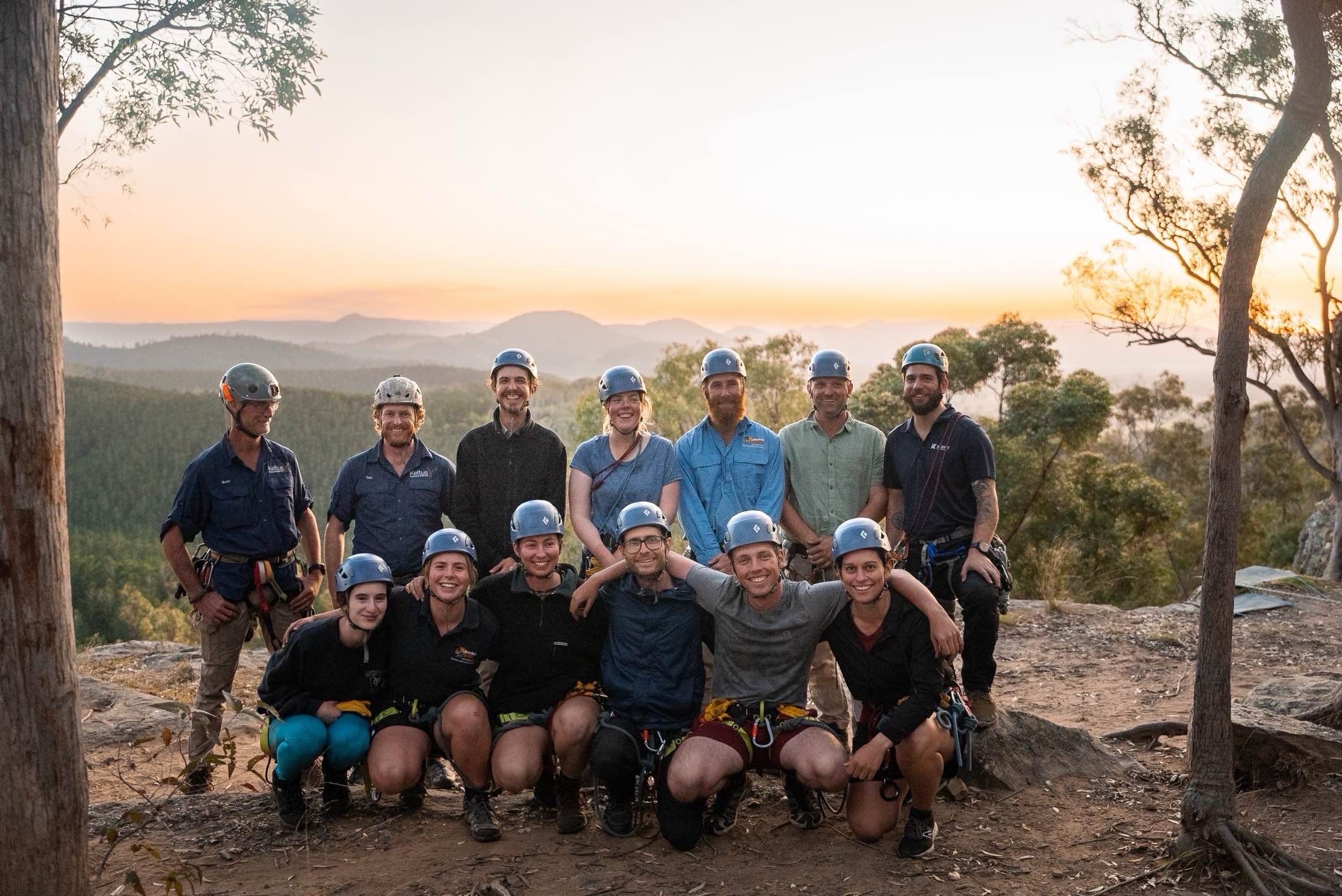
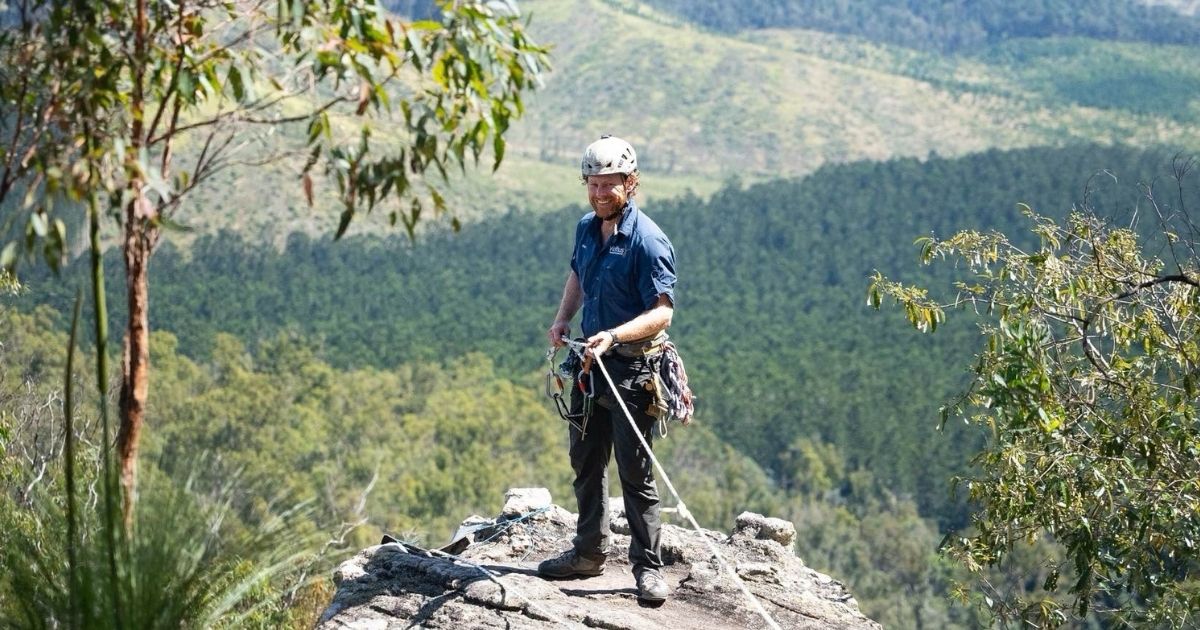
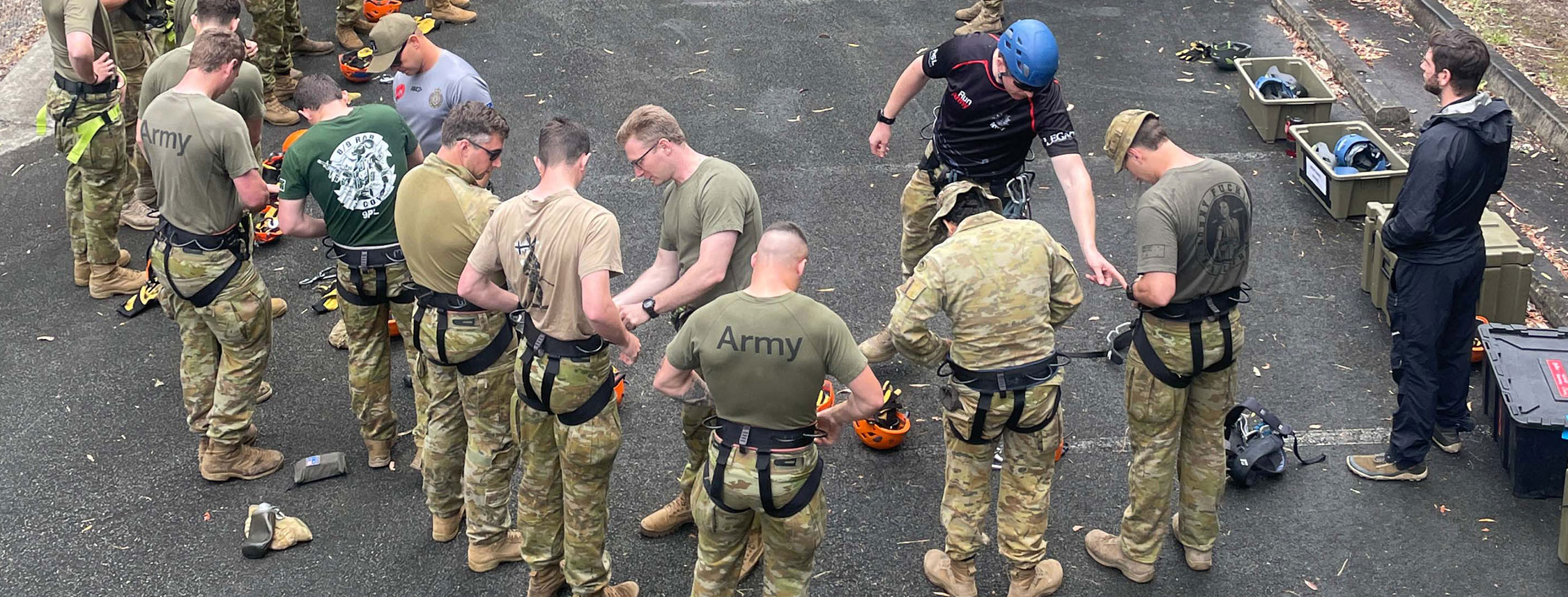
.png)
The decision is downstream of what you need participants to develop, not the calendar window you have available. This is the framework we use to help units pick the format that fits.
A common assumption is that the format only changes how much training you get. It changes more than that. The format changes what kind of training is possible at all.
A single-day program allows one exposure and one debrief. The participant practises composure under pressure once, reflects on it once, and goes home. That is useful. It is not the same construct as practising composure repeatedly across consecutive days.
A two-day program allows the same participant to take what came out of the first debrief and apply it on day two. The pressure on day two is typically increased, but the participant brings a different set of tools to it. That is a second-order skill: applying what you learned about yourself yesterday, today, while still under pressure.
A multi-day or expedition program adds something neither shorter format can produce: the unit operating under accumulated fatigue. Composure on day five is a different psychological construct from composure on day one. Decision-making degrades under sleep deficit and physical load, and that degradation is itself what you are training. Layered on top is unit-level operational tempo, which only emerges when the unit is operating together for long enough that command relationships, communication patterns, and recovery management are tested under sustained pressure.
What you need to train determines the format. Not the other way around.
Single-day programs do specific work well. They are not a smaller version of a longer program; they are a different program.
Where they fit:
What single-day formats cannot do:
For an incoming Commander scoping a single-day cohesion program, that is the right format for the right job. For a unit preparing for a long deployment, it is not.
Two-day programs are not "single-day with an overnight." The second day is structurally different from the first.
Day one produces the experience. The activity, the pressure exposure, the first read of how individuals and the team responded. The debrief at the end of day one surfaces what the team learned about itself.
Day two runs a second exposure with those lessons applied. Different participants often surface as decision-makers on day two than on day one. People who held back when the activity was unfamiliar lean in once they have a frame for it. People who carried the team on day one settle back, and quieter members step forward. That is useful information about your team that a single day cannot give you.
The format suits a specific use case: a resilience or leadership development block where the unit needs the participants to take a behavioural lesson and apply it in real time, not just remember it. The second exposure plus structured reflection between them is what locks the lesson in.
What two-day formats cannot do:
If the question is "we want our team to learn something and then practise it under pressure," two days is the floor. If the question is "we need to see how this unit operates under sustained pressure," two days is not enough.
Multi-day programs are the most distinct format because fatigue is genuinely different training territory. The longest section here, because it is the format least understood from the outside.
Composure under pressure on day five is a different psychological construct from composure on day one. The team is tired. Sleep is short. Bodies are sore. Decision-making degrades, and that is exactly when leaders typically have to make the most consequential calls on operations. Rehearsing that degradation in a controlled setting is what no shorter format can produce.
Multi-day formats also surface unit-level dynamics that single-day programs cannot reveal. How command relationships behave when the OC has not slept properly in three days. How communication degrades and how the unit notices it degrading. How recovery is managed across the team when nobody is fully recovered themselves. These are the behaviours that show up on operations and rarely show up in shorter training serials.
What multi-day formats cannot do quietly:
It is also the only format that rehearses sustained operations. If sustained operations is what you need to train, no shorter format substitutes.
Use the table below as the first cut, then validate against the outcome you need.
The right format is downstream of the outcome you need, not the budget you have. A two-day program designed for the wrong outcome costs more than a single-day program designed for the right one. The 20-minute scoping conversation that gets you to the right format saves the cost of either mistake.
A short, focused call to understand your training intent, the unit context, and where this training would add value. We will recommend the format that fits the outcome, not the one that fits the catalogue.
Discuss your training needs with the team behind this work.