Why adventurous training, and why it has to be done with purpose
Adventurous training has a job to do that classroom learning cannot. Soldiers, sailors and airmen learn the theory of resilience and stress management through formal training and education. Few get to practise those strategies while feeling genuine fear, stress and uncertainty before they need them on operations.
That gap is what AT closes. Done well, it gives your people a controlled rehearsal of composure under pressure and a debrief that turns the experience into transferable judgement. Done badly, it becomes a team-building day with a Defence label on it: scenic, faintly stressful, forgotten by Tuesday.
How Keltus is built
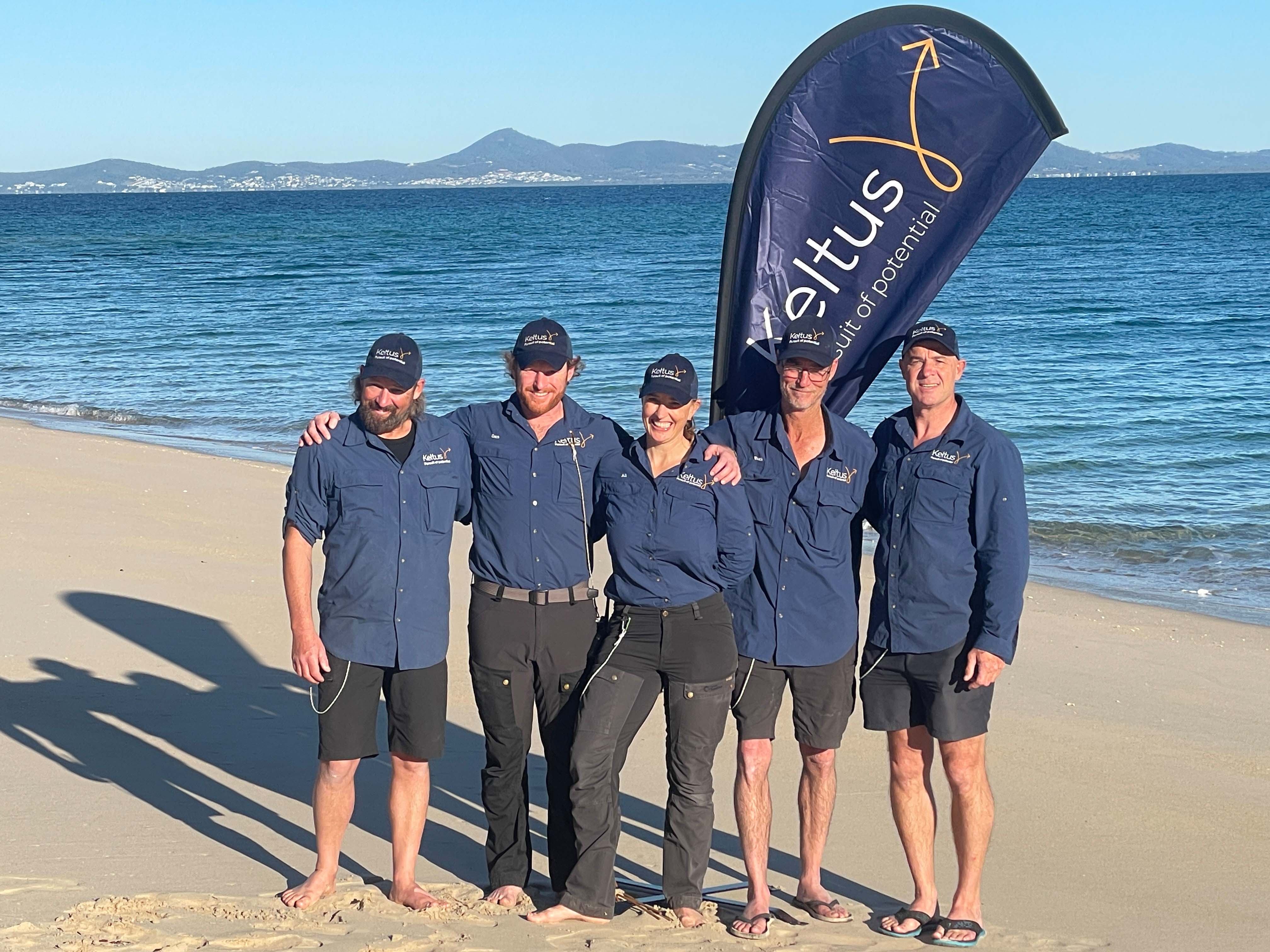
Keltus is built on a simple idea: the team running the training should be the team that has done the work. Our practitioners are former ADF leaders, instructors and facilitators. Between them they have written doctrine, run resilience training capabilities inside brigades, and continue to sustain those capabilities for the units they originally stood them up for. That is the difference between training delivered by people who understand the job and adventure delivered by people who have read about it.
We design programs using the ADDIE framework -- Analyse, Design, Develop, Implement, Evaluate -- so training aligns with the objectives the unit names and adapts to what emerges during delivery. Around that sits the experiential learning continuum: experiencing, reflection, generalisation, applying. Participants do the activity, debrief it as a group, draw out the principles that transfer, and identify where to apply them next.
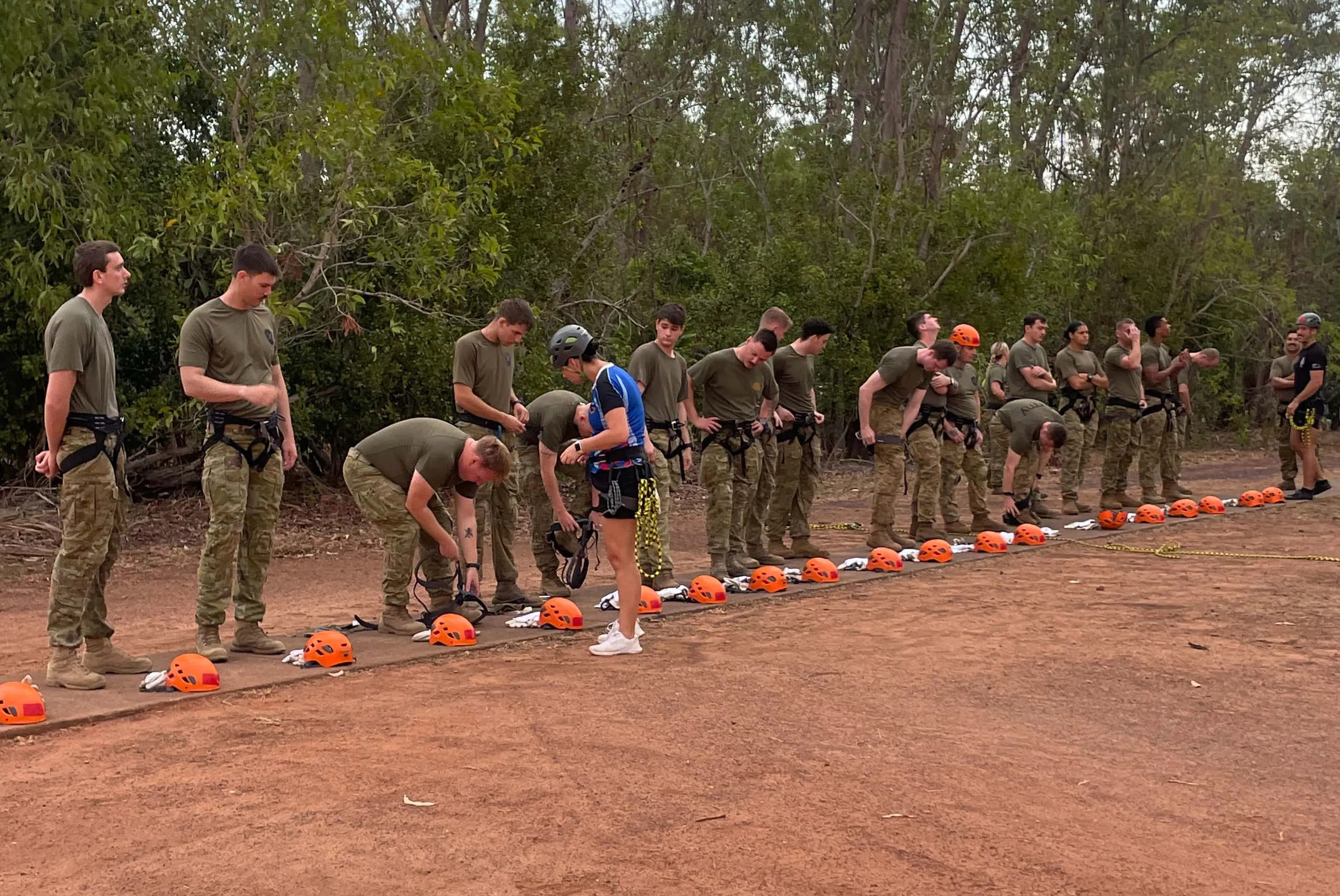
The Keltus model keeps participants in their optimal learning zone. Uncomfortable enough to engage, not so far past their threshold that learning collapses. Our staff hold the dial. A cliff descent may require individuals to manage their own fear and exposure while teammates operate safety systems. Heart rate increases, attention narrows, self-doubt often emerges. Participants regulate their breathing, maintain composure, and apply what they have been taught. Each member of the team is issued the Pursuit of Potential workbook, which structures the reflection, journaling, peer feedback and personal goal-setting that turn the activity into a lasting record of learning.
Outdoor recreation in the private sector is about ensuring the client has a positive experience and ultimately wants to come back for more. In a military context, it is about learning, self and peer reflection, and preparing people for their demanding roles. Keltus is built around the second job.
Let's talk